

The 4th Asian Student Council Symposium 2025
Following the resounding success of last years’ symposium, the ISCB Student Council and its Regional Student Groups are thrilled to announce the 4th edition of the Student Council Symposium in the Asia and Pacific region. This 4th Asian Student Council Symposium (ASCS2025) is a unique event organized by students and primarily aims to bring together undergraduate and graduate students, as well as early career researchers in bioinformatics, computational biology and related fields.
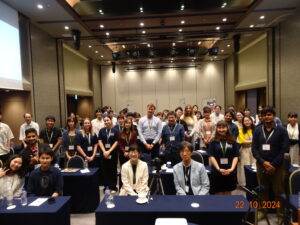
This symposium serves as a platform for young researchers to showcase their research to a global audience, establish connections within the computational biology community, and enhance soft skills in a collaborative environment that encourages the exchange of ideas and knowledge. Building on the resounding success of ASCS2024, this year’s symposium will once again be held in hybrid format, making it accessible to a wider global audience.
ASCS precedes the International Conference on Genome Informatics ISCB-Asia (GIW XXXIV ISCB-ASIA 2025). Participants have the choice to register for ASCS2025 and GIW ISCB-Asia 2025 together, or separately.
Important Dates
| Deadline | Date |
|---|---|
| Extended abstract submission | 11th October 2025 |
| Late-breaking poster | 15th October 2025 |
| Registration | 10th December 2025 |
Detailed Guidelines and Abstract Submission
Scope of Submissions:
Your work should broadly align with the domains of bioinformatics and computational biology. Topics of interest include, but are not limited to:
- Single-Cell Analysis
- Spatial Omics and Histology
- Cutting-Edge AI Applications in Biology and Medicine
- Protein/RNA Structure Analysis, Prediction, and Design
- Cancer Genomics and Personalized Medicine
- Metagenomics and Microbiome Analysis
- Network Biology and Systems Biology
- Drug Discovery and Repurposing
- Bioinformatics Education
- Multi-Omic Informatics
- Databases, Ontologies and Biocuration
- Evolutionary, Comparative Genomics and Phylogenetics
- Synthetic Biology and Engineering
- General Computational Biology
Evaluation Criteria:
Submissions will be evaluated on:
- Clarity
- Originality/uniqueness
- Completeness of description
- Potential impact in the field
- Scientific relevance to computational biology / bioinformatics
Abstract title and structure:
Please keep the title concise while accurately reflecting your research. The abstract must not exceed 250-300 words and should be structured into four sections:
- Background – context and purpose of the study
- Methodology – brief outline of the approach used
- Results – key findings
- Conclusions – summary and potential implications
Author Information:
Do not include your title/position or any personal information (e.g., affiliation, email) in the abstract text. These details will be collected through the submission system.
Presentation rule:
- The presentation is individual — having co-authors is fine, but only the presenting author will receive the presentation/award certificate. All authors’ names will be included in the abstract book.
- One person may deliver only one presentation (co-authorship on other abstracts is allowed).
- The presenting author must be part of the original research work.
Presentation categories:

Talk Only

Talk or Poster

Poster Only
Formatting:
Avoid using abbreviations, references, or figures in the abstract text.
Important*
All abstracts must be submitted through the EasyChair submission system by clicking on the Submit Abstract button below. Incomplete or non-compliant submissions will not be considered.
For any inquiry, please contact: scs-asia@iscbsc.org
Registration
GIW-ISCB Asia + ASCS2025
Register for the main GIW-ISCB Asia conference and get FREE ASCS2025 access by ticking the 'ASCS2025' checkbox during registration.
Cost: Main conference fee only
ASCS2025 Only
Register for ASCS2025 only (without main conference access).
Cost: $30 (ISCB members) / $35 (non-ISCB members)
Program Schedule
Program details may change
| Time (HKT) | Session | Topic | Speaker | ||
|---|---|---|---|---|---|
| 08:30 – 09:00 | Registration | ||||
| 09:00 – 09:15 | Opening Remarks | Jatin Joshi | |||
| 09:15 – 10:00 | Keynote Speaker | A repeat-aware method to detect copy number variants from next generation sequencing | Dr. Sung Wing Kin | ||
| 10:00 – 10:50 | Session 1 Oral Talks by ECR/Students |
An Integrative Multi-Omics Framework for Decoding Microglial Ecosystems in Alzheimer’s Disease | Chuyun Zhang | ||
| Population-Level Genome Analysis of Glycosylation and Structure-Guided N-Linked Glycosylation Prediction Using Protein Language Model and Deep Learning | Xiaotong Gu | ||||
| Unraveling Epigenetically Deregulated lncRNAs FAM83A-AS2 and AC012213.1 as High-risk Prognostic Markers in Lung Adenocarcinoma | Syed Mukhtar Ali Sium | ||||
| Deconstructing Biomarker Generalisation Failure in Cancer Anti-PD1 Immunotherapy: Toward Adaptive Patient Stratification | Elizabeth Amelia | ||||
| 10:50 – 11:10 | Tea Break | ||||
| 11:10 – 11:30 | Session 2 Flash Talks by ECR/Students |
Integrative multi-omics QTL colocalization maps regulatory architecture in aging human brain | Xuewei Cao | ||
| GEMINI-Mol: A SE(3)-Equivariant Diffusion Framework for Generative Multi-Target Drug Design | Oluwasola Michael Akinola | ||||
| Machine Learning Driven Discovery of Ribosomal Biomarkers in PCOS | Ashitha Washington | ||||
| 11:30 – 12:30 | Panel Discussion | Emerging Trends in Computational Biology: What to Look Out for in the Coming Decade |
Dr. Lana Garmire Dr. Joshua Wing Kei Ho Dr. Limsoon Wong |
||
| 12:30 – 14:00 | Networking, Lunch and Poster Session | ||||
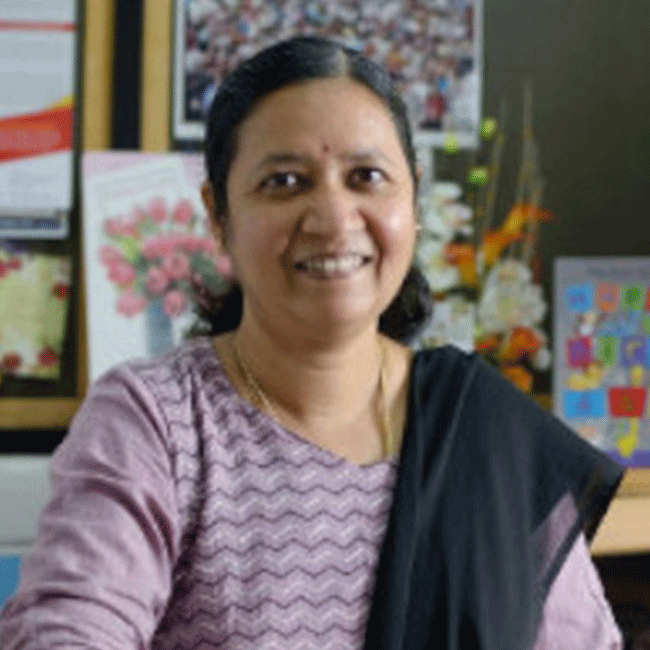
| 14:00 – 14:45 | Keynote Speaker | From Protein Structures to Medicinal Plants: A smooth continuum | Dr. R. Sowdhamini | ||
| 14:45 – 15:35 | Session 3 Oral Talks by ECR/Students |
Causal Temporal Diffusion Networks for Mechanistic Drug Repurposing in Epilepsy | Rishik Kondadadi | ||
| Towards comprehensive benchmarking of Medical Vision Language Models | Dimple Khatri | ||||
| Population genomics of a thermophilic cyanobacterium revealed divergence at subspecies level and possible adaptation genes | Hsin-Ying Chang | ||||
| OVTwin: A GPU-Accelerated Digital Twin for Simulating Combination Chemotherapy in Epithelial Ovarian Cancer | Xinyue Chen | ||||
| 15:35 – 15:55 | Tea Break | ||||
| 15:55 – 16:10 | ISCB SC Leadership Talk | ||||
| 16:10 – 16:55 | Keynote Speaker | AI × Cancer Biology: Harnessing Big Data to Decode 3D Genome Architecture and Therapeutic Vulnerabilities | Dr. Melissa Jane Fullwood | ||
| 16:55 – 17:15 | Award Giving Ceremony & Closing Remarks | Jatin Joshi | |||
You may find the full programme booklet here.
Keynote Speakers
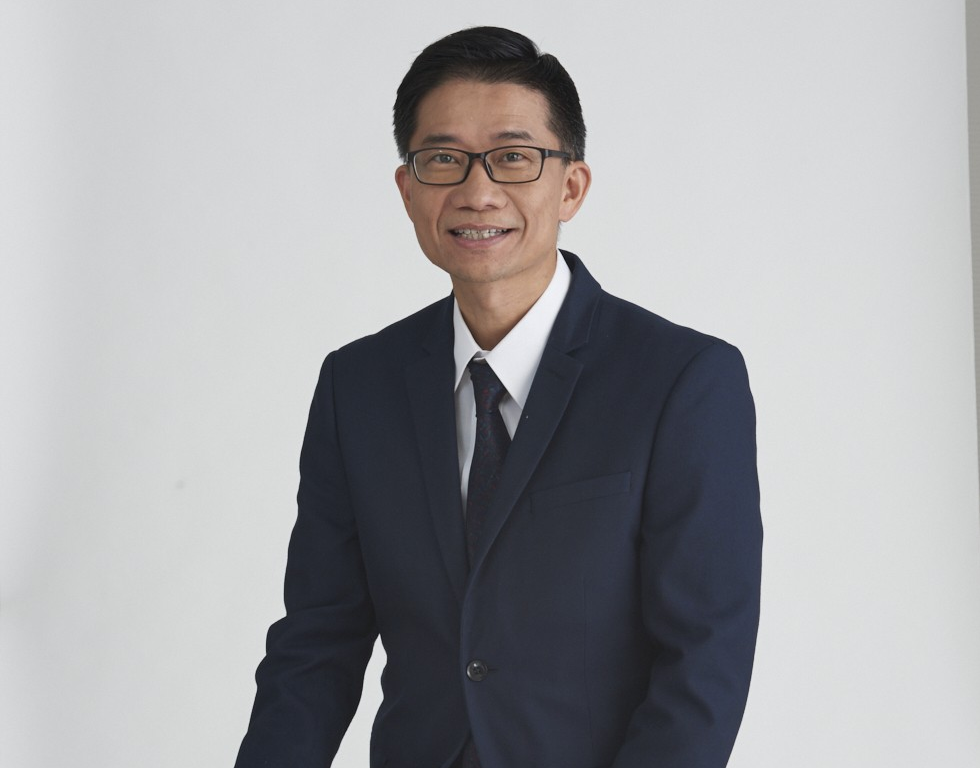
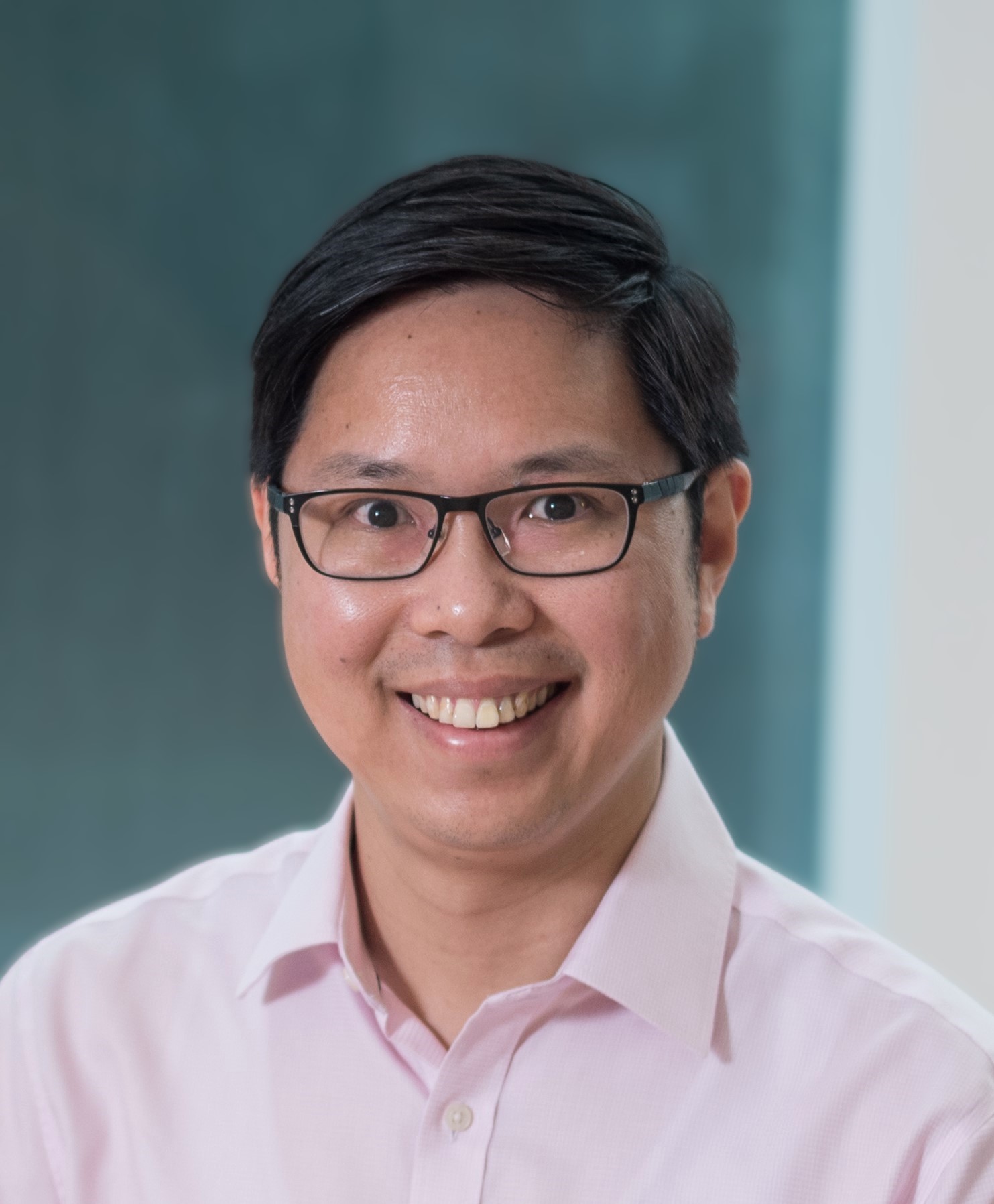
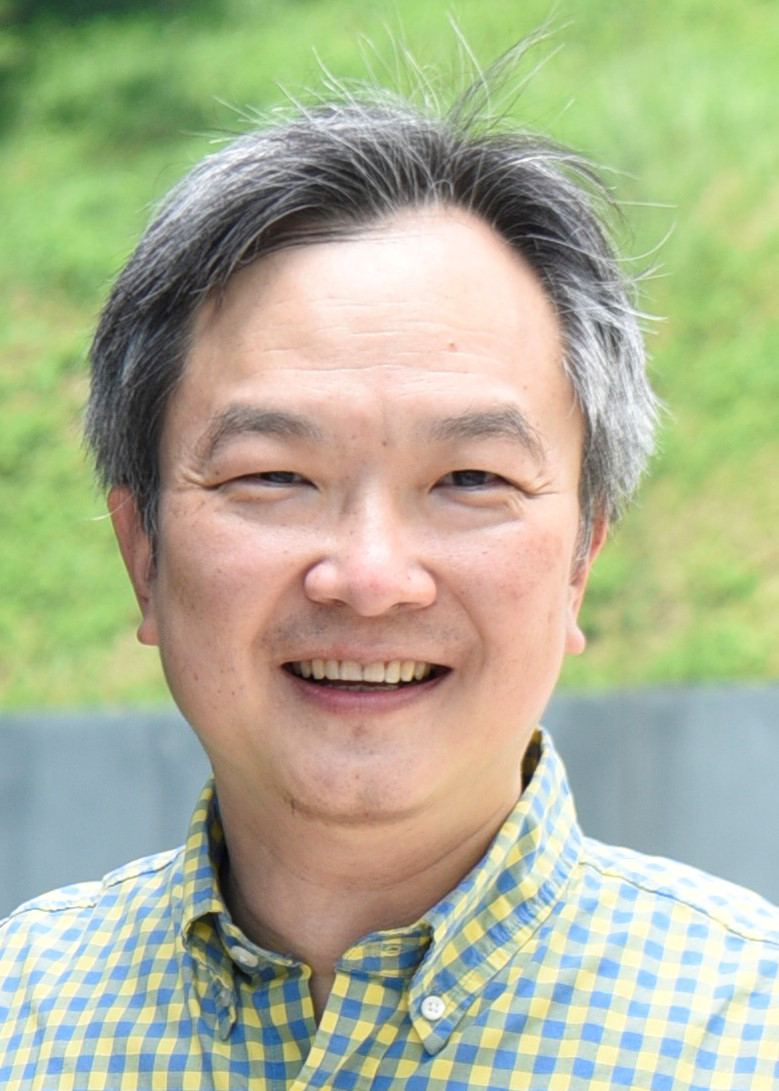
A repeat-aware method to detect copy number variants from next generation sequencing

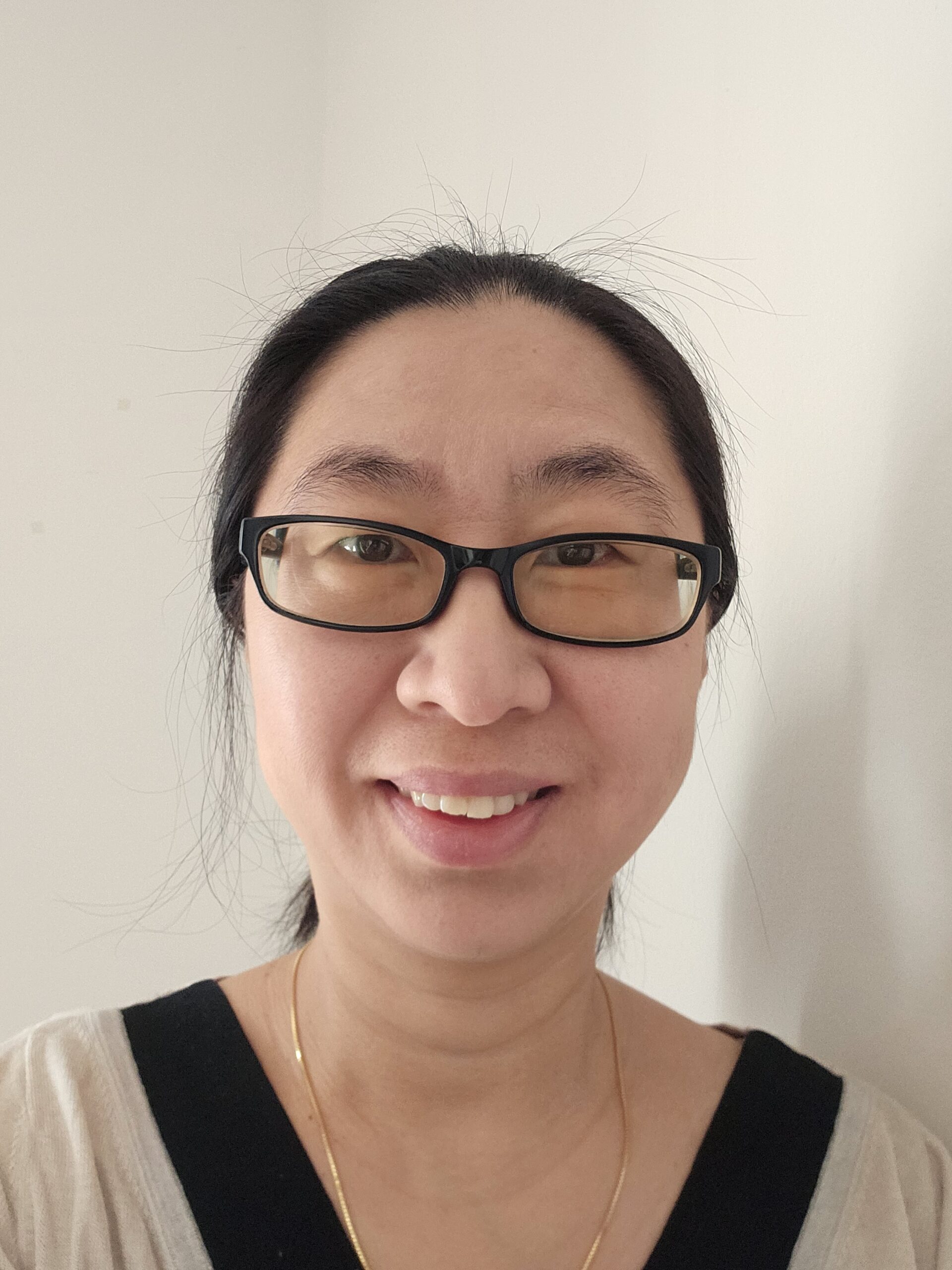
AI × Cancer Biology: Harnessing Big Data to Decode 3D Genome Architecture and Therapeutic Vulnerabilities
Sponsors


Would you like to promote your organisation to future leaders at the most popular student symposium in Computational Biology? We're now open for sponsorship opportunities for ASCS 2025. Join us in supporting this prestigious event, bringing together student leaders and change-makers from across Asia. Elevate your brand, connect with future innovators, and be part of a platform that inspires the next generation. Explore our sponsorship packages and make a lasting impact at ASCS 2025. Drop us a message and we'll get in touch!
Contact Us